








 Português
  Español
  简体中文
简体中文 
 Unverified company


 Email
Email
 Facebook
 Whatsapp
 Twitter
 Linkedin
Description
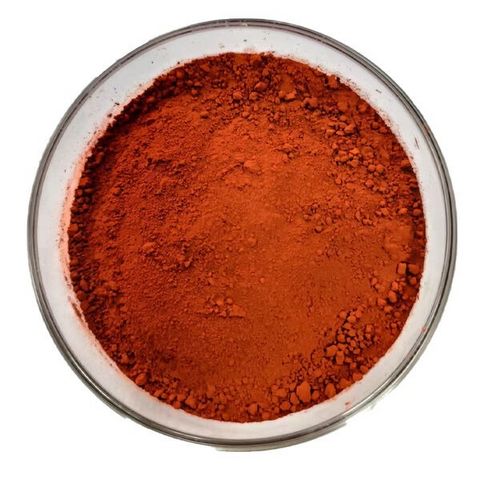
【Cas No】 72909-34-3 【Chemical Name】 4,5-dihydro-4,5-dioxo-1H-pyrrolo[2,3-f]quinoline-2,7,9-tricarboxylic acid 【Synonyms】 PQQ acid (pyrroloquinoline quinone) 【Molecular Formula】 C14H6N2O8 【Molecular Weight】 330.21 【Purity】 99% 【Storage】 Protect from light, seal, and store at room temperature. PQQ's effects on blood sugar and lipids: 1. Dietary supplementation of PQQ has the potential to improve blood lipid levels and control blood sugar concentration. Pyrroloquinoline quinone (PQQ) is a natural bioactive substance, a water-soluble redox coenzyme, and is considered a novel B vitamin. PQQ is widely distributed in various dietary sources and has potential health benefits such as anti-inflammatory, antioxidant, anti-diabetic, and cardioprotective effects. Multiple studies have shown that PQQ deficiency can lead to immune dysfunction, growth disorders, and abnormal reproductive performance. Mammals cannot synthesize PQQ; therefore, dietary supplementation of PQQ is essential for maintaining human health. Some studies have shown that PQQ can protect the heart from oxidative stress damage, myocardial ischemia/reperfusion injury, hypertrophy, and heart failure. However, the protective effect of PQQ on diabetic myocardial infarction (DCM) and its related mechanisms remain unclear. This study is the first to demonstrate that PQQ can significantly reduce myocardial injury, including myocardial fibrosis and hypertrophy, in diabetic mice. Furthermore, PQQ was found to inhibit the activation of the NF-κB/pyroptosis signaling pathway in diabetic mice and high-glucose-treated AC16 cells. Treatment with 40 mg/kg/day of PQQ significantly reduced blood glucose concentrations in diabetic mice but had no effect on body weight. (Table 2) Pyrroloquinoline quinone (PQQ), a natural bioactive substance, is a water-soluble redox coenzyme that is considered to be a new B vitamin PQQ is distributed widely in multiple dietary sources and exhibits potential health benefits, such as anti-inflammatory , anti-oxidative, anti-diabetic, and cardioprotective effects. Several studies have demonstrated that PQQ deficiency leads to immune dysfunction, growth impairment, and abnormal reproductive performance Mammals do not synthesize PQQ and, therefore, dietary supplementation with PQQ is essential for maintaining human health. Some studies have shown that PQQ protects the heart against oxidative stress injury, myocardial ischemia/reperfusion injury, hypertrophy and heart failure. However, the protective effect of PQQ against DCM and the associated mechanism are not clear. This study has demonstrated for the first time that PQQ significantly alleviated myocardial damage, including myocardial fibrosis and myocardial hypertrophy, in diabetic mice. Further, PQQ was found to inhibit the activation of the NF-κB/pyroptosis signaling pathway in diabetic mice and high glucose-treated AC16 cells. Treatment with 40 mg/kg/day PQQ significantly reduced the blood glucose concentrations of diabetic mice, but had no effect on body weight. Reference: Qu XF, Zhai BZ, Hu WL, Lou MH, Chen YH, Liu YF, Chen JG, Mei S, You ZQ, Liu Z, Zhang LJ, Zhang YH, Wang Y. Pyrroloquinoline quinone ameliorates diabetic cardiomyopathy by inhibiting the pyroptosis signaling pathway in C57BL/6 mice and AC16 cells. Eur J Nutr. 2022 Jun;61(4):1823-1836. doi: 10.1007/s00394-021-02768-w. Epub 2022 Jan 8. PMID: 34997266; PMCID: PMC9106599. Content 2: This study demonstrates the different effects of PQQ on lipid content after 2 hours and 24 hours of treatment, namely, the reduction in free fatty acid levels. The effects of PQQ on the content and composition of specific lipid fractions and the expression of enzymes involved in lipid metabolism in insulin-resistant L6 myotubules, and the roles of PQQ and PGC-1α in fatty acid esterification into specific lipid pools (e.g., protective and harmful fractions) to achieve appropriate cellular function. The impact of short- (2 h) and long-term (24 h) exposure to PQQ on particular lipid fraction content and composition as well as the expression of enzymes involved in lipid metabolism in insulin-resistant L6 myotubes is described herein. Reference: Supruniuk E, Mikłosz A, Chabowski A. Pyrroloquinoline Quinone Modifies Lipid Profile, but Not Insulin Sensitivity, of Palmitic Acid-Treated L6 Myotubes. Int J Mol Sci. 2020 Nov 8;21(21):8382. doi: 10.3390/ijms21218382. PMID: 33171690; PMCID: PMC7664924. Content three: Reference: Kumar N, Kar A. Effects of pyrroloquinoline quinone and vitamin C on diabetes associated cardiac disease oxidative damages and hyperlipidemia in mice: biochemical and Histopathological study. MOJ Bioequiv Availab. 2017;4(1):201-209. DOI: 10.15406/mojbb.2017.04.00059 Hyperglycemia is associated with oxidative stress and hyperlipidemia, which are also reasons for increased risk factors for diabetes-related cardiovascular problems. Pyrroloquinoline quinone (PQQ) is a known antioxidant, and this study explored the previously unknown potential of PQQ in regulating STZ-induced cardiac oxidative damage and related cardiovascular problems. Healthy male mice were divided into seven groups, including those with normal blood glucose and those with normal blood glucose. All these side effects were improved after diabetic animals were given PQQ (especially 20 mg/kg), with decreases in LPO, LOOH, LDH, and various lipids. Enhanced hyperglycemia is associated with oxidative stress and hyperlipidemia that is also responsible for an increased risk factor for diabetes associated cardiovascular problems. pyrroloquinoline quinone (PQQ) is a known antioxidant agent, the primary aim of this study was to explore the hitherto unknown potential of PQQ in regulating STZ–induced oxidative damages in heart and associated cardiovascular problems. Following the administration of PQQ, particularly at 20mg/kg in diabetic animals, all these adverse effects were ameliorated with a decrease in LPO, LOOH, LDH and different lipids; with a parallel increase in cellular antioxidants, HDL–C and insulin levels, suggesting cardioprotective effects of the test drug. Better effects were observed, as compared to that of Vit. C. Our study reveals that PQQ may have better ameliorating potential than Vit. C in regulation of the cardiovascular problems in diabetic patients. Content 4: Reference: Qiu K, Zhao Q, Wang J, Qi GH, Wu SG, Zhang HJ. Effects of Pyrroloquinoline Quinone on Lipid Metabolism and Anti-Oxidative Capacity in a High-Fat-Diet Metabolic Dysfunction-Associated Fatty Liver Disease Chick Model. Int J Mol Sci. 2021 Feb 1;22(3):1458. doi: 10.3390/ijms22031458. PMID: 33535680; PMCID: PMC7867196. Metabolic dysfunction-associated fatty liver (MAFLD) and its interactions with many metabolic pathways have raised global public health concerns. This study aimed to determine the therapeutic effects of pyrroloquinoline quinone (PQQ, provided by PQQ.Na2) on MAFLD in chicken models and primary chicken hepatocytes, focusing on lipid metabolism, antioxidant capacity, and mitochondrial biosynthesis. At both the cellular and individual levels, PQQ was demonstrated to exert protective effects on hepatocytes and the liver from fat accumulation by improving mitochondrial biogenesis and maintaining redox homeostasis. Metabolic dysfunction-associated fatty liver disease (MAFLD) and its interaction with many metabolic pathways raise global public health concerns. This study aimed to determine the therapeutic effects of Pyrroloquinoline quinone (PQQ, provided by PQQ.Na2) on MAFLD in a chick model and primary chicken hepatocytes, focusing on lipid metabolism, antioxidant capacity, and mitochondrial biogenesis. At both the cellular and individual levels, PQQ was demonstrated to exert protective effects of hepatocytes and the liver from fat accumulation through the improvement of mitochondrial biogenesis and maintenance of redox homeostasis.
- Antioxidant
- anti-aging
Production Capacity:
1000
Delivery Timeframe:
Within 30 Days
Incoterms:
CFR - Cost and Freight
CIF - Cost, Insurance and Freight
Packaging Details:
根据客户采购数量进行包装建议
More about
Yuanlitai Medical Technology Co. Ltd

50-100
Employees

1M - 2M
Sales volume (USD)

80%
% Export sales
Year
Established
Business type
- Industry / Manufacturer
- Importer / Trading Company
- Buying Office
Keywords
- New food ingredients
Contact and location
-
 Yuanlitai ********
-
+86 53********
-
济南 / 山东 | China
 Yuanlitai ********
 +86 53********
 济南 / 山东 | China


